Practical guides from our crews to help you plan, pack and move with less stress.

Good packing is the difference between a smooth move and a stressful one. These are the habits our crews see work again and again.
Begin with the rooms you use least (guest room, storage, garage) two to three weeks before the move. Leave everyday items for the last few days.
Small boxes for heavy things like books and canned food; large boxes for light things like pillows and linens. A box you can't lift comfortably is a box that's going to break.
Write the room and a short list of contents. Mark anything delicate as FRAGILE and add "This side up" arrows.
Use packing paper, stand plates on their edge (like records), and fill gaps with crumpled paper so nothing shifts.
Toilet paper, chargers, medications, a few tools, snacks, bedding and a change of clothes. You'll thank yourself the first night.
Put screws and bolts from furniture in a zip bag and tape it to the piece it belongs to.
Snap a photo of the cables behind your TV and computer before unplugging — reconnecting becomes a two-minute job.
Half-empty boxes get crushed. Fill gaps with towels, clothing or paper.
Jewelry, important documents, cash and passports should travel with you, not on the truck.
Pianos, artwork, antiques and large mirrors need special materials. Our crews can pack just those items — or your whole home.
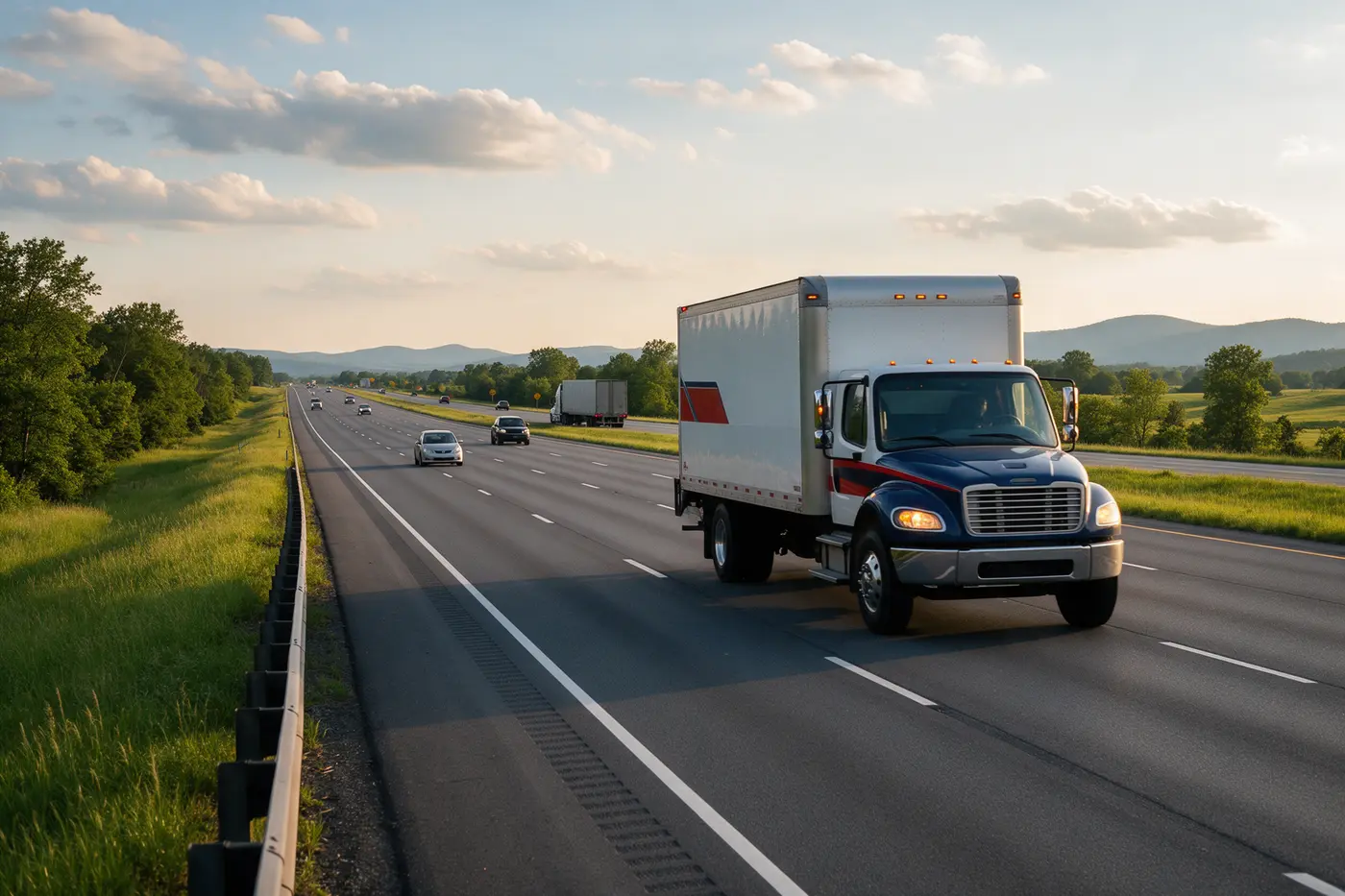
An interstate move has more moving parts than a local one. Use this timeline to stay ahead.
Interstate movers must give you the FMCSA booklet Your Rights and Responsibilities When You Move. Read it before moving day — it explains estimates, liability and how claims work.
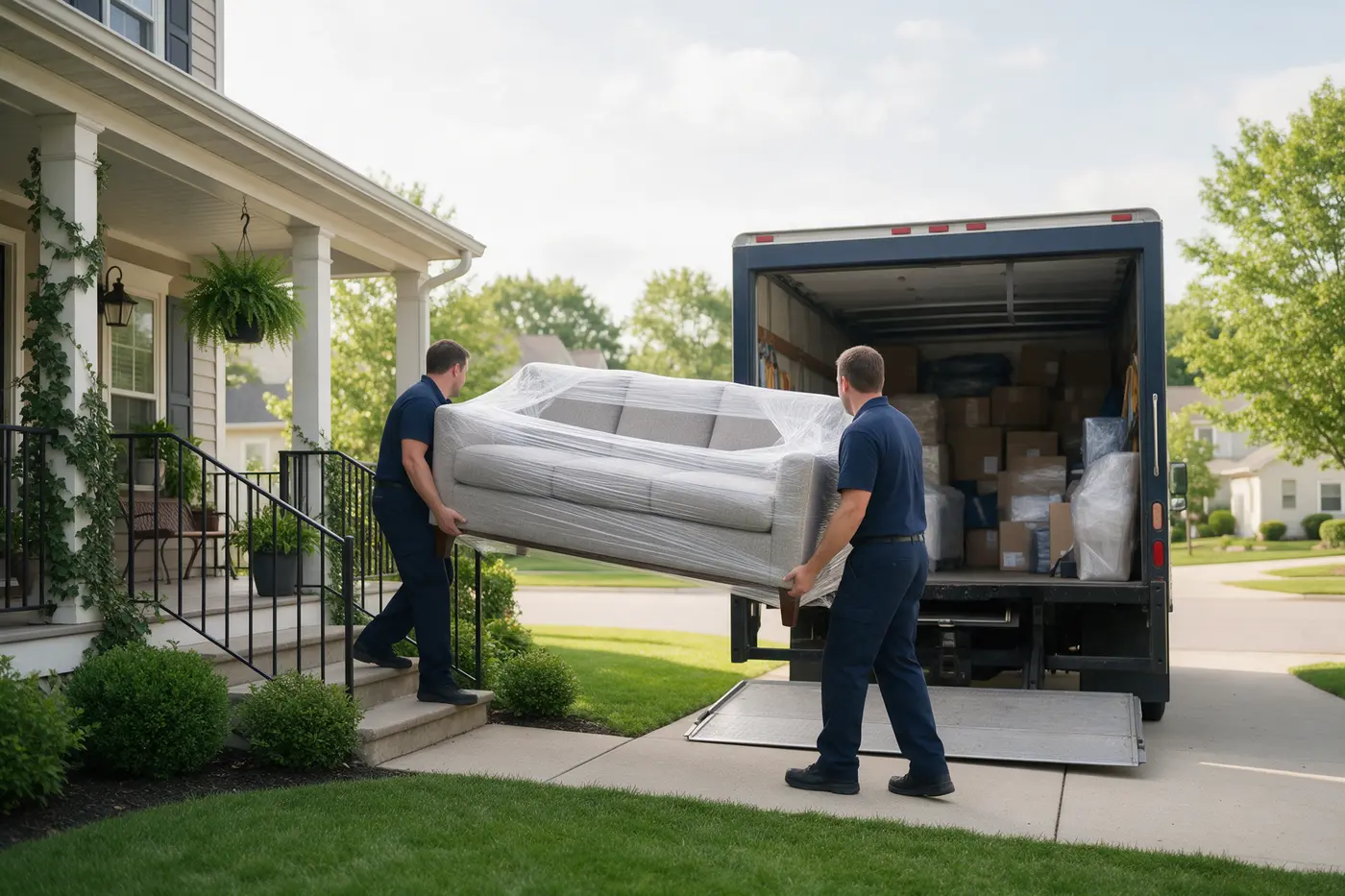
On moving day the goal is simple: help the crew work safely and quickly, so your move costs less and finishes on time.
Make sure hallways, stairs and the driveway are clear. Reserve an elevator or parking spot if your building requires it, and let neighbors know a truck will be there.
Our crews bring floor runners and furniture pads, but point out any delicate floors or walls when they arrive.
Moving day is busy, with heavy items and open doors. Arrange a sitter or a quiet room so little ones and pets stay out of the way.
Before the truck leaves, check every closet, cabinet and drawer. Confirm the delivery address and your phone number with the crew lead.
Be there to direct where furniture and boxes go. Labeled boxes make this fast — the crew simply follows the room names.

Most moves go well, but the right choice up front protects you. Here's what to check.
Every interstate household-goods mover must have a USDOT number and an MC number. Look them up on the FMCSA SAFER website and make sure the authority is active. Shamina Vanlines is USDOT #4138400 · MC #1586206.
A good mover asks detailed questions or does a walk-through before quoting. Be careful with quotes given over the phone in seconds without any questions about your home.
A binding estimate fixes the price for the items listed. A non-binding estimate can change based on actual weight — ask how the final price is calculated.
Interstate movers must offer valuation coverage. Ask what's included by default and what full-value protection would cost.
Call and ask questions. A mover who explains the process clearly before the move is far more likely to take care of you during it.
Get your free, no-obligation estimate today — or call and talk to our team.